


Please note that our website uses cookies. To learn more about our cookies and how we use them, please read our Privacy Policy.
Natural-Looking Fillings,
Delivered with Care
Thoughtfully planned dental fillings in a relaxing City of London clinic.

A Considered, Natural Approach to Restoring Your Teeth
Needing a filling is not something most people plan for, but it is a very common part of looking after your teeth over time. Whether decay has been picked up at a routine check-up or an older filling is starting to fail, modern dentistry offers reliable, discreet ways to restore your tooth and protect it for the future.
At Square Mile Dental Centre, we provide carefully planned, tooth coloured fillings designed to blend naturally with your smile. Our approach is measured and precise, focused on preserving healthy tooth structure and helping you feel informed and at ease throughout your visit.
What is Dental Filling?
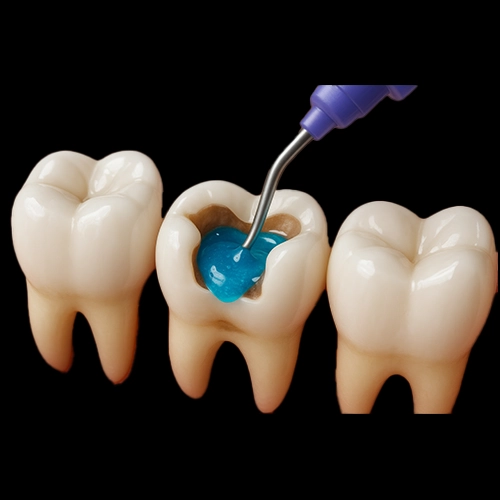
A dental filling is used when a tooth develops a cavity. This happens when tooth decay weakens the enamel, the hard outer surface that protects the tooth. Decay develops gradually, often without obvious symptoms at first, which is why regular dental examinations are so important.
If decay is left untreated, it can move deeper into the tooth and reach the inner tissue, where nerves and blood vessels are found. At that stage, treatment can become more involved. A filling allows us to treat the problem early, remove the affected area and seal the tooth to help prevent further damage.
Many people will need a filling at some point in their lives. This might be to treat new decay or to replace older metal fillings that no longer provide a reliable seal.
What is Dental Filling?
A dental filling is used when a tooth develops a cavity. This happens when tooth decay weakens the enamel, the hard outer surface that protects the tooth. Decay develops gradually, often without obvious symptoms at first, which is why regular dental examinations are so important.
If decay is left untreated, it can move deeper into the tooth and reach the inner tissue, where nerves and blood vessels are found. At that stage, treatment can become more involved. A filling allows us to treat the problem early, remove the affected area and seal the tooth to help prevent further damage.
Many people will need a filling at some point in their lives. This might be to treat new decay or to replace older metal fillings that no longer provide a reliable seal.
Tooth Coloured Fillings and Why Patients Choose Them
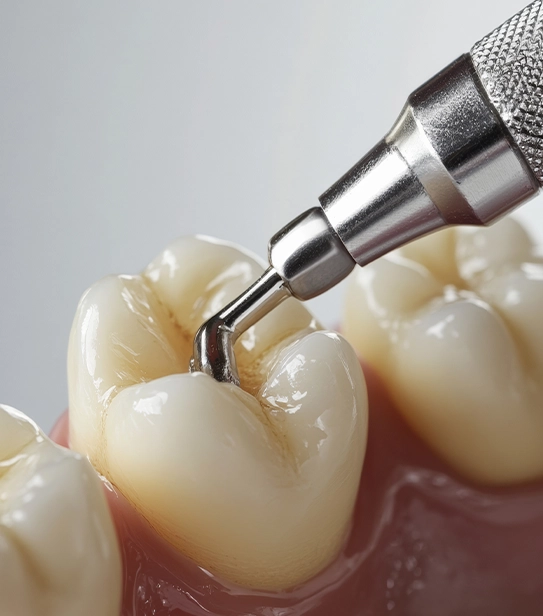
We mainly use tooth coloured composite fillings, chosen for their strength, versatility and natural appearance. These materials are carefully matched to the shade of your tooth, so once the filling is in place it blends in discreetly with the surrounding enamel.
Composite fillings bond directly to the tooth. This allows us to work conservatively and preserve more of the healthy structure, while still providing a strong and durable result.
Patients often choose tooth coloured fillings because they:
- Look natural and unobtrusive
- Are suitable for front and back teeth
- Do not contain mercury
- Support the remaining tooth structure
- Can be shaped and polished for comfort and appearance
Our clinicians take time to ensure each filling feels comfortable when you bite and sits naturally within your smile.
Tooth Coloured Fillings and Why Patients Choose Them
We mainly use tooth coloured composite fillings, chosen for their strength, versatility and natural appearance. These materials are carefully matched to the shade of your tooth, so once the filling is in place it blends in discreetly with the surrounding enamel.
Composite fillings bond directly to the tooth. This allows us to work conservatively and preserve more of the healthy structure, while still providing a strong and durable result.
Patients often choose tooth coloured fillings because they:
- Look natural and unobtrusive
- Are suitable for front and back teeth
- Do not contain mercury
- Support the remaining tooth structure
- Can be shaped and polished for comfort and appearance
Our clinicians take time to ensure each filling feels comfortable when you bite and sits naturally within your smile.

What Happens During a Filling Appointment?
If you are feeling unsure about having a filling, that is entirely understandable. We aim to make every appointment feel clear, unhurried and reassuring.
Your visit usually includes:
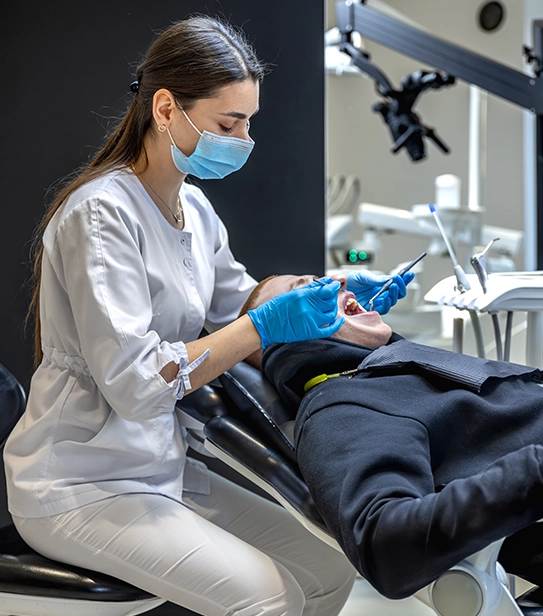
A careful assessment of the tooth and surrounding area
Local anaesthetic to keep you comfortable during treatment
Gentle removal of the decayed area
Placement of the filling material in stages to ensure accuracy
Most fillings are completed in a single visit and often take less than an hour. You can usually return to your normal routine the same day.
What Happens During a Filling Appointment?
If you are feeling unsure about having a filling, that is entirely understandable. We aim to make every appointment feel clear, unhurried and reassuring.
Your visit usually includes:
A careful assessment of the tooth and surrounding area
Local anaesthetic to keep you comfortable during treatment
Gentle removal of the decayed area
Placement of the filling material in stages to ensure accuracy
Final shaping and polishing, with bite checks for comfort
Most fillings are completed in a single visit and often take less than an hour. You can usually return to your normal routine the same day.
Preventing Decay Wherever Possible
While we provide restorative treatment every day, our focus is always on prevention first. Reducing the risk of decay helps protect your teeth long term and limits the need for repeat treatment.
We support patients with clear, practical guidance on:
● Effective brushing and cleaning techniques
● Diet choices that reduce acid exposure
● Spotting early signs of decay before they progress
Small adjustments made early can make a real difference over time.
When Should You Book an Assessment?
Decay does not always cause discomfort straight away, which is why routine dental examinations play such an important role. You may, however, notice signs that a filling could be needed, such as:
● Sensitivity to hot, cold or sweet foods
● A visible dark area or change on a tooth
● Discomfort when biting
● An old filling that feels rough or uneven
If something feels different or you have concerns, we recommend having it checked sooner rather than later.
Preventing Decay Wherever Possible
While we provide restorative treatment every day, our focus is always on prevention first. Reducing the risk of decay helps protect your teeth long term and limits the need for repeat treatment.
We support patients with clear, practical guidance on:
● Effective brushing and cleaning techniques
● Diet choices that reduce acid exposure
● Spotting early signs of decay before they progress
Small adjustments made early can make a real difference over time.
When Should You Book an Assessment?
Decay does not always cause discomfort straight away, which is why routine dental examinations play such an important role. You may, however, notice signs that a filling could be needed, such as:
● Sensitivity to hot, cold or sweet foods
● A visible dark area or change on a tooth
● Discomfort when biting
● An old filling that feels rough or uneven
If something feels different or you have concerns, we recommend having it checked sooner rather than later.










How Long Do Fillings Last?
Tooth coloured fillings are designed to be durable, but their lifespan depends on several factors. These include the size and position of the filling, how your teeth come together when you bite, and how well the tooth is cared for over time.
With good oral hygiene and regular check-ups, fillings commonly last many years. During your appointments, we monitor existing fillings and let you know if any changes are needed, always explaining your options clearly.
How Long Do Fillings Last?
Tooth coloured fillings are designed to be durable, but their lifespan depends on several factors. These include the size and position of the filling, how your teeth come together when you bite, and how well the tooth is cared for over time.
With good oral hygiene and regular check-ups, fillings commonly last many years. During your appointments, we monitor existing fillings and let you know if any changes are needed, always explaining your options clearly.
Experience and Clinical Standards You Can Trust
Our clinicians are known for their commitment to high clinical standards and ongoing education. Sanjay and Nik Sethi regularly lecture and teach other dentists in modern restorative techniques, including aesthetic fillings.
This depth of experience shapes how we plan and deliver treatment, with careful attention to detail, ethical recommendations and a clear focus on what is appropriate for each patient.
A Relaxing Clinic In The Heart Of The City
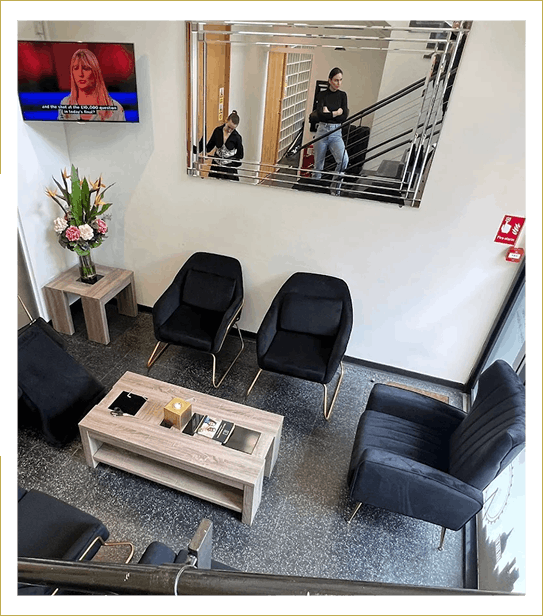
Our practice offers a relaxing, contemporary environment close to Liverpool Street, Aldgate and Bank. We combine modern digital dentistry with a thoughtful, patient-focused approach, so you understand your treatment and feel confident about each step.
Digital scanning and clinical planning tools help us work with accuracy and efficiency, supporting predictable outcomes and clear communication about what to expect.
Experience and Clinical Standards You Can Trust
Our clinicians are known for their commitment to high clinical standards and ongoing education. Sanjay and Nik Sethi regularly lecture and teach other dentists in modern restorative techniques, including aesthetic fillings.
This depth of experience shapes how we plan and deliver treatment, with careful attention to detail, ethical recommendations and a clear focus on what is appropriate for each patient.
A Relaxing Clinic In The Heart Of The City
Our practice offers a relaxing, contemporary environment close to Liverpool Street, Aldgate and Bank. We combine modern digital dentistry with a thoughtful, patient-focused approach, so you understand your treatment and feel confident about each step.
Digital scanning and clinical planning tools help us work with accuracy and efficiency, supporting predictable outcomes and clear communication about what to expect.
Frequently Asked Questions
Do dental fillings hurt after the anaesthetic wears off?
Mild tenderness or sensitivity is common for a few days, especially when biting or with hot and cold foods. This usually settles on its own. Ongoing or worsening pain should be checked.
Can I eat straight after a tooth coloured filling?
Yes, but it is sensible to wait until numbness has fully worn off to avoid biting your cheek or tongue. Avoid very hard foods on the treated side for the rest of the day.
Why does my new filling feel too high when I bite?
A filling can occasionally sit slightly proud once the anaesthetic wears off. This is easy to adjust and should be corrected promptly to avoid jaw discomfort or tooth strain.
Are white fillings safe to replace old metal fillings?
In many cases, yes. Replacement is assessed individually based on the condition of the existing filling and the tooth. Replacement is usually advised only if there is wear, leakage or decay.
How much do tooth coloured fillings cost in London?
Costs vary depending on the size and complexity of the filling. A clear fee is normally provided after examination, before any treatment is carried out.
Is it normal for a filled tooth to feel sensitive to cold?
Temporary cold sensitivity is common and usually improves within one to two weeks. Persistent sensitivity may indicate the tooth needs review.
Can I have a filling during pregnancy?
Yes. Dental fillings are generally safe during pregnancy, particularly when treating active decay. Your dentist will plan care carefully and discuss timing if needed.
Will my filling stain or change colour over time?
Composite fillings can pick up surface staining from tea, coffee or red wine over time. Regular hygiene visits help keep them looking clean and natural.
testimonials
Posted onTrustindex verifies that the original source of the review is Google. I visited Square Mile Dental for the first time and was attended by Luciana. She was very professional and did an excellent job, the cleaning only took one hour! I thought I might need two sessions, but it wasn’t necessary. I’m very happy with the results and will try to visit my dentist more regularly from now on.Posted onTrustindex verifies that the original source of the review is Google. We came to London from Türkiye for a holiday, and unfortunately, my girlfriend had a sudden dental issue during our trip. We were honestly very stressed and upset about it. However, we are incredibly grateful to the entire team at Square Mile Dental Centre. They took such great care of her, and thanks to them, our holiday was saved from turning into a nightmare. We truly appreciate their kindness and professionalism!Posted onTrustindex verifies that the original source of the review is Google. Dr Amit has been excellent throughout my treatment at Square Mile Dental Centre! Would highly recommend :)Posted onTrustindex verifies that the original source of the review is Google. Great staff, very nice and competent. Always feel welcome.Posted onTrustindex verifies that the original source of the review is Google. Excellent care and treatment from Monika, the hygienist. Could not be better. NigelPosted onTrustindex verifies that the original source of the review is Google. Square Mile Dental is the best dental practice i've been to in London since i've moved here. I've tried a few out but haven't found a great one until now. Everyone i've seen here has been very professional and you get 5 star service every time. They're very thorough, make you feel comfortable, and do an excellent job!Posted onTrustindex verifies that the original source of the review is Google. Came to Square Mile Dental for my Invisalign treatment and am so happy with my result! The team were nothing but professional and helpful all through my treatment. A huge thanks to Elaine, Shazna and Rosie for making my treatment seamless!!Posted onTrustindex verifies that the original source of the review is Google. Highly recommend Square Mile. The treatment and care I received from Dr Patel, Agnieszka and team has been exceptional. The continuity of care they are able to provide, having so much expertise and experience all under one roof, really sets them apart. I felt fully informed and supported at every step, and I’m really happy with the results.