


Please note that our website uses cookies. To learn more about our cookies and how we use them, please read our Privacy Policy.
Restoring Strength While
Preserving Your Natural Tooth
Carefully planned inlays and onlays, designed for long-term comfort and confidence at our central London clinic.
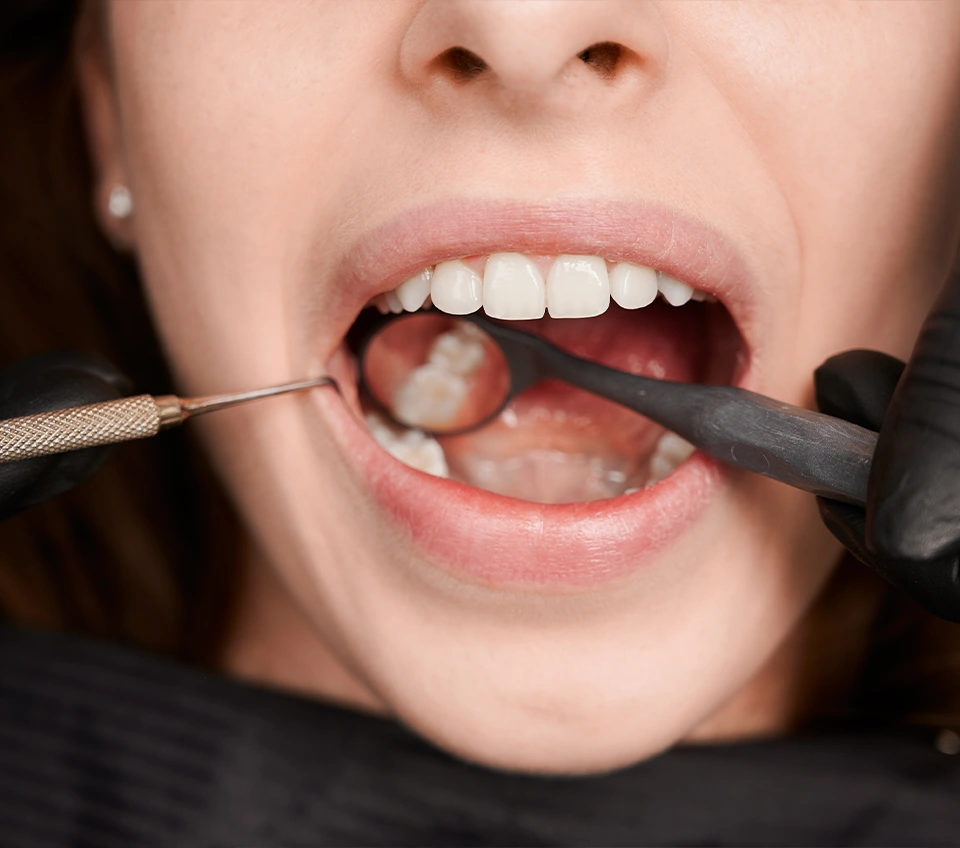
A Considered Way To Restore Strength While Preserving Your Natural Tooth
At Square Mile Dental Centre, restorative dentistry is never about doing more than is needed. It is about making thoughtful decisions that protect your teeth now and support them well into the future. Dental onlays and inlays are a good example of that approach.
If a tooth has been damaged by decay, wear or injury, but a standard filling is no longer suitable, an inlay or onlay may offer a more durable and measured solution. It allows us to restore strength and function while keeping as much healthy tooth structure as possible.
Many patients tell us they appreciate having an option that sits between a filling and a crown. Strong, discreet and carefully planned.
What Are Dental Inlays And Onlays?
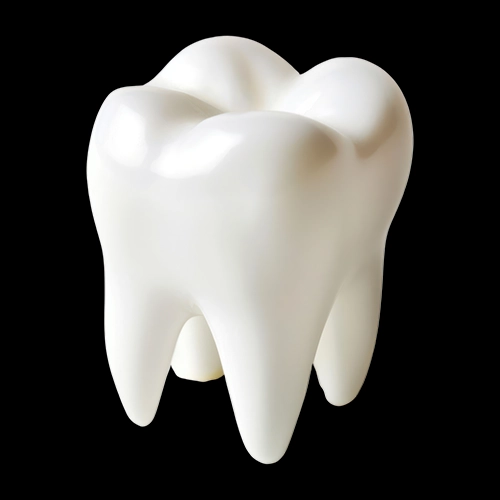
Inlays and onlays are custom-made restorations used to rebuild areas of a tooth that have been weakened or lost.
● An inlay fits within the natural grooves of the tooth’s biting surface.
● An onlay extends over one or more raised edges, offering extra support where chewing forces are greater.
Both are designed to blend naturally with your tooth, restoring its shape, strength and comfort when you bite. They are most often used on back teeth, where durability really matters.
Unlike fillings, which are shaped directly in the mouth, inlays and onlays are created outside the clinic using detailed impressions or digital scans. This allows for a more precise fit and a finish that feels secure and natural.
What Are Dental Inlays And Onlays?
Inlays and onlays are custom-made restorations used to rebuild areas of a tooth that have been weakened or lost.
● An inlay fits within the natural grooves of the tooth’s biting surface.
● An onlay extends over one or more raised edges, offering extra support where chewing forces are greater.
Both are designed to blend naturally with your tooth, restoring its shape, strength and comfort when you bite. They are most often used on back teeth, where durability really matters.
Unlike fillings, which are shaped directly in the mouth, inlays and onlays are created outside the clinic using detailed impressions or digital scans. This allows for a more precise fit and a finish that feels secure and natural.
When Might An Inlay Or Onlay Be Recommended?
You may be advised to consider a ceramic inlay or onlay if:
- A cavity is too large for a filling to hold reliably
- An older filling has cracked or worn down
- Part of the tooth has fractured but the root remains healthy
- You want to avoid removing more tooth than necessary
- Long-term strength and appearance are important to you
In many cases, this approach allows us to reinforce the tooth without covering it completely. Preserving healthy enamel wherever possible is always a priority.
When Might An Inlay Or Onlay Be Recommended?
You may be advised to consider a ceramic inlay or onlay if:
- A cavity is too large for a filling to hold reliably
- An older filling has cracked or worn down
- Part of the tooth has fractured but the root remains healthy
- You want to avoid removing more tooth than necessary
- Long-term strength and appearance are important to you
In many cases, this approach allows us to reinforce the tooth without covering it completely. Preserving healthy enamel wherever possible is always a priority.

Materials Chosen For Strength And Appearance
At Square Mile Dental Centre, we commonly recommend ceramic or porcelain for inlays and onlays.
These materials are selected because they:
Closely match the colour of natural teeth
Provide excellent strength for everyday chewing
Resist staining over time
Allow for a precise, comfortable fit
Each restoration is crafted by a trusted dental laboratory using accurate scans or impressions. The aim is a result that feels secure, functions well and looks entirely in keeping with the rest of your smile.
Materials Chosen For Strength And Appearance
At Square Mile Dental Centre, we commonly recommend ceramic or porcelain for inlays and onlays.
These materials are selected because they:
Closely match the colour of natural teeth
Provide excellent strength for everyday chewing
Resist staining over time
Allow for a precise, comfortable fit
Each restoration is crafted by a trusted dental laboratory using accurate scans or impressions. The aim is a result that feels secure, functions well and looks entirely in keeping with the rest of your smile.
What To Expect During Treatment
We take time to explain each step clearly, so you know what is happening and why. Our clinic environment is designed to feel relaxing, and appointments are planned carefully to avoid feeling rushed.
01
Your first visit:
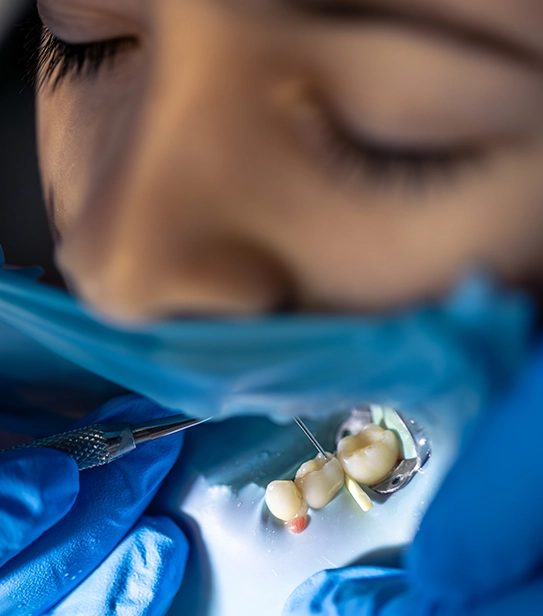
We gently remove any damaged or decayed areas and shape the tooth so it can support the restoration properly. A digital scan or impression is then taken. This information guides the laboratory in creating your inlay or onlay with accuracy. A temporary covering may be placed while your final restoration is being made.
03
Your fitting appointment:
Once ready, the inlay or onlay is bonded securely into place. We check the bite carefully and make small refinements if needed. Most patients find the tooth feels natural very quickly.

02
Behind the scenes:
Your restoration is crafted to fit your tooth closely and work comfortably with your bite. Digital planning supports precision and helps reduce adjustments later.
01
Your first visit:
We gently remove any damaged or decayed areas and shape the tooth so it can support the restoration properly. A digital scan or impression is then taken. This information guides the laboratory in creating your inlay or onlay with accuracy. A temporary covering may be placed while your final restoration is being made.
02
Behind the scenes:
Your restoration is crafted to fit your tooth closely and work comfortably with your bite. Digital planning supports precision and helps reduce adjustments later.
03
Your fitting appointment:
Once ready, the inlay or onlay is bonded securely into place. We check the bite carefully and make small refinements if needed. Most patients find the tooth feels natural very quickly.
How Does This Compare With Other Treatments?
Patients often ask how inlays and onlays differ from fillings or crowns. The distinction is mainly about extent and longevity.
Fillings are well suited to smaller areas of decay but may struggle to withstand heavier bite forces over time. Crowns cover the entire tooth and are appropriate when damage is more extensive.
Inlays and onlays sit comfortably between the two. They offer strength and protection while remaining conservative. For the right tooth, they can be an excellent long-term choice.
Why Patients Choose Inlays And Onlays
Patients often value this option because it feels considered and proportionate. Clinically, there are clear benefits:
● More tooth structure is preserved
● Stronger support than large fillings
● A close, accurate fit
● Natural appearance with tooth-coloured materials
● Reduced risk of further cracking
With good daily care and regular check-ups, ceramic inlays and onlays often remain reliable for many years.
How Does This Compare With Other Treatments?
Patients often ask how inlays and onlays differ from fillings or crowns. The distinction is mainly about extent and longevity.
Fillings are well suited to smaller areas of decay but may struggle to withstand heavier bite forces over time. Crowns cover the entire tooth and are appropriate when damage is more extensive.
Inlays and onlays sit comfortably between the two. They offer strength and protection while remaining conservative. For the right tooth, they can be an excellent long-term choice.
Why Patients Choose Inlays And Onlays
Patients often value this option because it feels considered and proportionate. Clinically, there are clear benefits:
● More tooth structure is preserved
● Stronger support than large fillings
● A close, accurate fit
● Natural appearance with tooth-coloured materials
● Reduced risk of further cracking
With good daily care and regular check-ups, ceramic inlays and onlays often remain reliable for many years.









Looking After Your Restoration
Caring for an inlay or onlay is straightforward. Brushing twice a day, flossing daily and attending routine appointments all support long-term results.
As with natural teeth, avoiding very hard objects helps protect the restoration and the tooth beneath it.
Looking After Your Restoration
Caring for an inlay or onlay is straightforward. Brushing twice a day, flossing daily and attending routine appointments all support long-term results.
As with natural teeth, avoiding very hard objects helps protect the restoration and the tooth beneath it.
Is This The Right Option For You?
Every tooth is different, and so is every bite. Factors such as the size of the damaged area, how your teeth meet and your general oral health all influence the most suitable treatment.
At Square Mile Dental Centre, we take a measured approach. We explain your options clearly, answer questions honestly and guide you towards a choice that supports your long-term dental health.
Book a Consultation
If you are exploring dental onlays or inlays in London, our team is here to help. We offer a relaxing, modern environment close to Liverpool Street, Aldgate and Bank, with digital planning that supports accuracy and confidence at every stage.
Get in touch to arrange a consultation and discuss whether this restorative option is right for you.
Is This The Right Option For You?
Every tooth is different, and so is every bite. Factors such as the size of the damaged area, how your teeth meet and your general oral health all influence the most suitable treatment.
At Square Mile Dental Centre, we take a measured approach. We explain your options clearly, answer questions honestly and guide you towards a choice that supports your long-term dental health.
Book a Consultation
If you are exploring dental onlays or inlays in London, our team is here to help. We offer a relaxing, modern environment close to Liverpool Street, Aldgate and Bank, with digital planning that supports accuracy and confidence at every stage.
Get in touch to arrange a consultation and discuss whether this restorative option is right for you.
Frequently Asked Questions
How long do dental inlays and onlays usually last?
With good oral hygiene and regular check-ups, ceramic inlays and onlays often last 10–15 years or longer. Longevity depends on bite forces, tooth location, and habits such as grinding.
Do inlays and onlays hurt more than normal fillings?
Most patients report little to no discomfort. The procedure is usually done with local anaesthetic, and post-treatment sensitivity is typically mild and short-lived.
Can I eat normally straight after an onlay or inlay is fitted?
Once the final restoration is bonded, you can usually eat normally the same day. Dentists often recommend avoiding very hard or sticky foods for the first 24 hours.
Are ceramic inlays and onlays better than composite fillings?
Ceramic options are generally stronger and more wear-resistant than large composite fillings, particularly on back teeth where chewing pressure is higher.
Will an inlay or onlay crack if I grind my teeth?
Teeth grinding increases the risk of damage. If you grind or clench, a protective night guard is often recommended to help protect both the restoration and your natural teeth.
Can an inlay or onlay fall out?
This is uncommon when placed correctly. Modern bonding techniques are very reliable, but poor oral hygiene, heavy grinding, or decay underneath can increase the risk.
Is it possible to replace an old crown with an onlay instead?
In some cases, yes, but only if enough healthy tooth structure remains. This is assessed carefully during consultation and imaging.
Are inlays and onlays suitable if I have sensitive teeth?
They can be a good option, as ceramic materials seal the tooth well. Any existing sensitivity is usually assessed and managed before treatment begins.
testimonials
Posted onTrustindex verifies that the original source of the review is Google. I visited Square Mile Dental for the first time and was attended by Luciana. She was very professional and did an excellent job, the cleaning only took one hour! I thought I might need two sessions, but it wasn’t necessary. I’m very happy with the results and will try to visit my dentist more regularly from now on.Posted onTrustindex verifies that the original source of the review is Google. We came to London from Türkiye for a holiday, and unfortunately, my girlfriend had a sudden dental issue during our trip. We were honestly very stressed and upset about it. However, we are incredibly grateful to the entire team at Square Mile Dental Centre. They took such great care of her, and thanks to them, our holiday was saved from turning into a nightmare. We truly appreciate their kindness and professionalism!Posted onTrustindex verifies that the original source of the review is Google. Dr Amit has been excellent throughout my treatment at Square Mile Dental Centre! Would highly recommend :)Posted onTrustindex verifies that the original source of the review is Google. Great staff, very nice and competent. Always feel welcome.Posted onTrustindex verifies that the original source of the review is Google. Excellent care and treatment from Monika, the hygienist. Could not be better. NigelPosted onTrustindex verifies that the original source of the review is Google. Square Mile Dental is the best dental practice i've been to in London since i've moved here. I've tried a few out but haven't found a great one until now. Everyone i've seen here has been very professional and you get 5 star service every time. They're very thorough, make you feel comfortable, and do an excellent job!Posted onTrustindex verifies that the original source of the review is Google. Came to Square Mile Dental for my Invisalign treatment and am so happy with my result! The team were nothing but professional and helpful all through my treatment. A huge thanks to Elaine, Shazna and Rosie for making my treatment seamless!!Posted onTrustindex verifies that the original source of the review is Google. Highly recommend Square Mile. The treatment and care I received from Dr Patel, Agnieszka and team has been exceptional. The continuity of care they are able to provide, having so much expertise and experience all under one roof, really sets them apart. I felt fully informed and supported at every step, and I’m really happy with the results.