
Please note that our website uses cookies. To learn more about our cookies and how we use them, please read our Privacy Policy.
TMJ Splints for Jaw Pain,
Headaches and Teeth Grinding
Bespoke TMJ splints designed with precision and care, in a relaxing central London clinic.
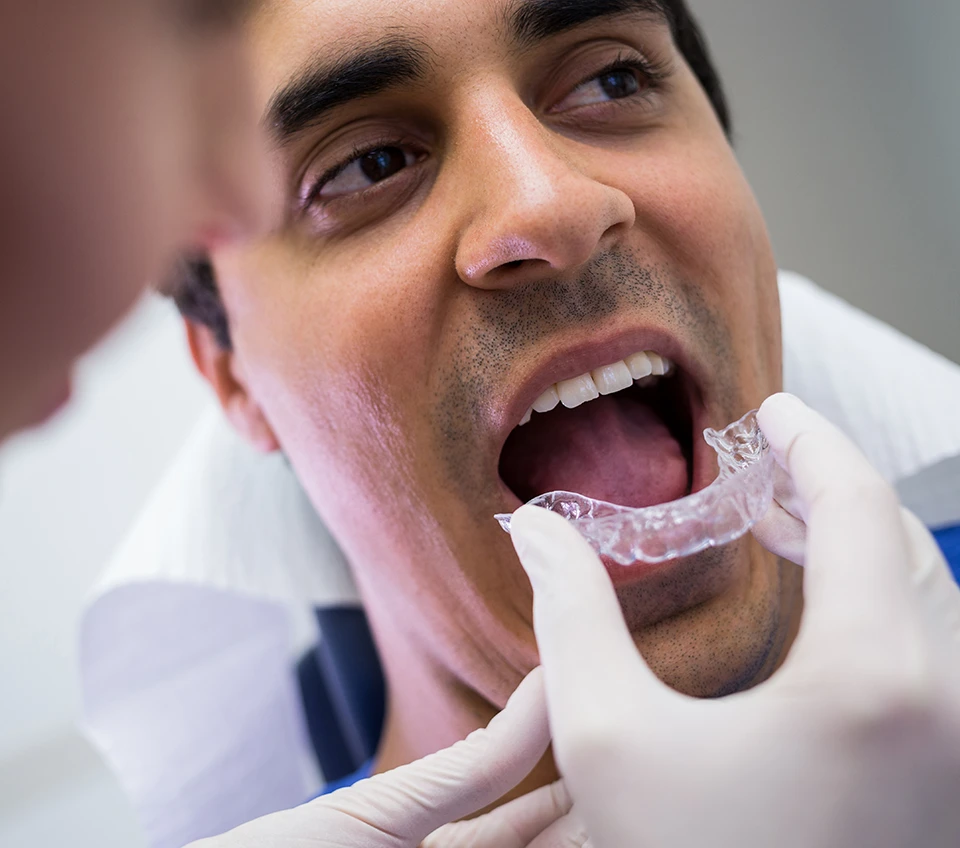
Thoughtful Support For Jaw Tension, Headaches And Teeth Grinding
Jaw discomfort can be surprisingly intrusive. For some people it shows up as a tight feeling around the face or temples. For others, it is headaches that seem to start behind the ears, or a jaw that clicks, aches or feels tired by the end of the day. Often, these symptoms build gradually, which makes them easy to dismiss at first.
At Square Mile Dental Centre, we regularly see patients affected by temporomandibular joint concerns, commonly known as TMJ or TMJD. While symptoms are mild for some, others experience ongoing discomfort that affects sleep, focus and everyday routines. When that happens, a bespoke TMJ splint can play an important role in restoring comfort and balance.
What is a TMJ Splint?
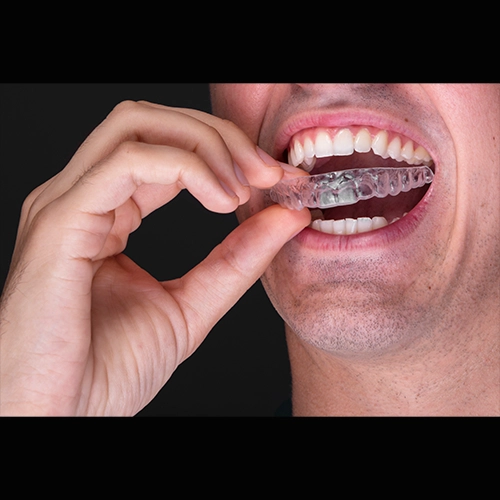
A TMJ splint, sometimes called a TMJ mouthguard or jaw splint, is a removable dental appliance designed to support the jaw and reduce strain on the joints and muscles.
Splints are made from a firm yet comfortable acrylic material and are designed to fit neatly over either the upper or lower teeth. They are transparent and discreet, and most people wear them at night, although daytime wear may be advised in certain cases.
Unlike shop-bought mouthguards, a splint from Square Mile Dental Centre is made specifically for your bite. This accuracy matters. A well-designed splint helps guide the jaw into a more relaxed position and distributes pressure more evenly across the teeth.
What is a TMJ Splint?
A TMJ splint, sometimes called a TMJ mouthguard or jaw splint, is a removable dental appliance designed to support the jaw and reduce strain on the joints and muscles.
Splints are made from a firm yet comfortable acrylic material and are designed to fit neatly over either the upper or lower teeth. They are transparent and discreet, and most people wear them at night, although daytime wear may be advised in certain cases.
Unlike shop-bought mouthguards, a splint from Square Mile Dental Centre is made specifically for your bite. This accuracy matters. A well-designed splint helps guide the jaw into a more relaxed position and distributes pressure more evenly across the teeth.
Your Assessment and Splint Planning
At Square Mile Dental Centre, splint therapy always begins with a clear conversation. We take time to understand your symptoms, how they affect you, and what you hope to achieve.
Your assessment may include:
- A detailed review of jaw movement and bite
- Discussion of habits such as clenching or grinding
- Digital scans of your teeth
Digital scanning allows us to capture your bite accurately and comfortably, without traditional impressions. This supports precise splint design and helps ensure a secure, comfortable fit.
Your splint is then made to measure and fitted carefully. Adjustments are made as needed so it works effectively and feels natural to wear.
Most patients require two appointments, and there is no downtime following fitting.
Your Assessment and Splint Planning
At Square Mile Dental Centre, splint therapy always begins with a clear conversation. We take time to understand your symptoms, how they affect you, and what you hope to achieve.
Your assessment may include:
- A detailed review of jaw movement and bite
- Discussion of habits such as clenching or grinding
- Digital scans of your teeth
Digital scanning allows us to capture your bite accurately and comfortably, without traditional impressions. This supports precise splint design and helps ensure a secure, comfortable fit.
Your splint is then made to measure and fitted carefully. Adjustments are made as needed so it works effectively and feels natural to wear.
Most patients require two appointments, and there is no downtime following fitting.

How can a Splint help?
Many TMJ symptoms are driven by unconscious habits, particularly clenching or grinding. Over time, this places repeated pressure on the jaw joints and muscles.
A bespoke TMJ splint can help by:
Reducing pressure on the jaw joints
Allowing overworked jaw muscles to relax
Limiting the effects of clenching and grinding
Protecting teeth from wear and sensitivity
For many patients, this leads to fewer headaches, less facial tension and improved comfort on waking. It can also support better sleep by reducing nighttime jaw activity.
How can a Splint help?
Many TMJ symptoms are driven by unconscious habits, particularly clenching or grinding. Over time, this places repeated pressure on the jaw joints and muscles.
A bespoke TMJ splint can help by:
Reducing pressure on the jaw joints
Allowing overworked jaw muscles to relax
Limiting the effects of clenching and grinding
Protecting teeth from wear and sensitivity
Supporting smoother jaw movement
For many patients, this leads to fewer headaches, less facial tension and improved comfort on waking. It can also support better sleep by reducing nighttime jaw activity.
What is the Temporomandibular Joint?
The temporomandibular joints sit just in front of your ears and allow your jaw to move smoothly when you speak, chew or yawn. These joints work closely with the surrounding muscles, teeth and bite. When that system is under strain, symptoms can develop.
01
TMJ concerns are often linked to:
● Jaw clenching or teeth grinding, especially during sleep
● Muscle tension related to stress or posture
● Bite imbalance or uneven tooth contact
● Prolonged jaw activity, such as chewing gum

02
Common symptoms include:
● Jaw pain or stiffness
● Clicking or popping sounds when opening the mouth
● Headaches or facial tension
● Ear discomfort or a blocked sensation
● Neck or shoulder tightness
● Teeth that feel sore or worn
If these symptoms are lingering or worsening, it is worth having them assessed.
01
TMJ concerns are often linked to:
● Jaw clenching or teeth grinding, especially during sleep
● Muscle tension related to stress or posture
● Bite imbalance or uneven tooth contact
● Prolonged jaw activity, such as chewing gum
02
Common symptoms include:
● Jaw pain or stiffness
● Clicking or popping sounds when opening the mouth
● Headaches or facial tension
● Ear discomfort or a blocked sensation
● Neck or shoulder tightness
● Teeth that feel sore or worn
If these symptoms are lingering or worsening, it is worth having them assessed.
What Does Wearing a Splint Feel Like?
It is normal for a splint to feel unfamiliar at first. Most people adapt within a short period as the jaw and muscles settle into a more relaxed position.
We will guide you on:
● When to wear your splint
● How to clean and store it
● What sensations are expected during the adjustment period
If your splint ever feels uncomfortable or your symptoms change, we encourage you to get in touch. Ongoing review ensures the splint continues to support your jaw as intended.

Why Choose Square Mile Dental Centre?
Square Mile Dental Centre is a well-established private clinic in the heart of the City of London, close to Liverpool Street, Aldgate and Bank.
Patients choose us for:
● High clinical standards and ethical recommendations
● Modern digital dentistry that supports accuracy and comfort
● Bespoke treatment planning with clear explanations
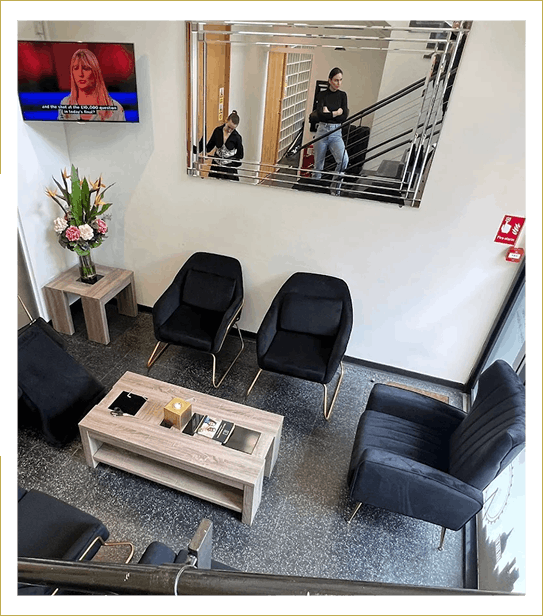
● A relaxing, contemporary clinic environment
● A team that takes time to listen and guide
Our approach to TMJ care is careful, informed and patient-focused. We aim to help you feel confident about your treatment and supported at every stage.
What Does Wearing a Splint Feel Like?
It is normal for a splint to feel unfamiliar at first. Most people adapt within a short period as the jaw and muscles settle into a more relaxed position.
We will guide you on:
● When to wear your splint
● How to clean and store it
● What sensations are expected during the adjustment period
If your splint ever feels uncomfortable or your symptoms change, we encourage you to get in touch. Ongoing review ensures the splint continues to support your jaw as intended.
Why Choose Square Mile Dental Centre?
Square Mile Dental Centre is a well-established private clinic in the heart of the City of London, close to Liverpool Street, Aldgate and Bank.
Patients choose us for:
● High clinical standards and ethical recommendations
● Modern digital dentistry that supports accuracy and comfort
● Bespoke treatment planning with clear explanations
● A relaxing, contemporary clinic environment
● A team that takes time to listen and guide
Our approach to TMJ care is careful, informed and patient-focused. We aim to help you feel confident about your treatment and supported at every stage.










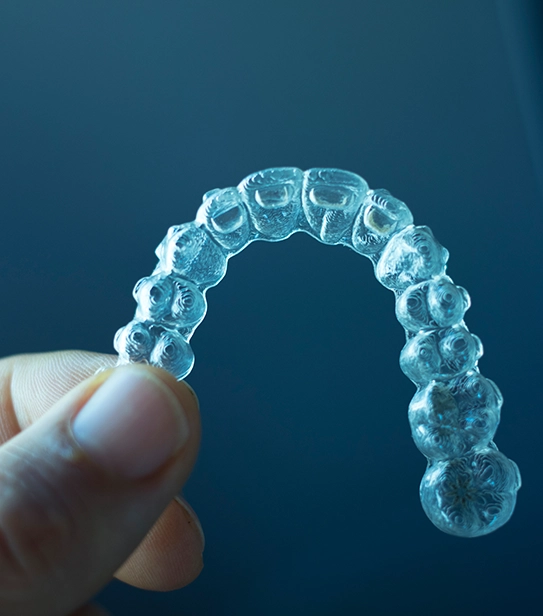
Invisalign® Cost and Payment Options
Invisalign® treatment at Square Mile Dental Centre starts from £2,500. The overall cost depends on the complexity of your case and the length of treatment required.
We are happy to talk through payment options and help you understand what is included, so you can make an informed decision with clarity and confidence.
Invisalign® Cost and Payment Options
Invisalign® treatment at Square Mile Dental Centre starts from £2,500. The overall cost depends on the complexity of your case and the length of treatment required.
We are happy to talk through payment options and help you understand what is included, so you can make an informed decision with clarity and confidence.
Is a Splint a Long-term Solution?
Splints are removable and do not permanently alter your teeth or bite. Many patients find that regular use provides consistent relief, particularly when combined with good habits and ongoing dental care.
Splints can be replaced if they become worn or damaged, and periodic reviews help ensure they remain effective as your bite or jaw function changes over time.
For many people, a splint offers a practical and measured way to manage TMJ symptoms without invasive treatment.
Taking the Next Step
If jaw pain, headaches or teeth grinding are affecting your daily life, a bespoke TMJ splint may help restore comfort and balance. A professional assessment will determine whether splint therapy is suitable for you and how it can be integrated into your care.
Our team is always happy to talk things through and answer your questions.
Is a Splint a Long-term Solution?
Splints are removable and do not permanently alter your teeth or bite. Many patients find that regular use provides consistent relief, particularly when combined with good habits and ongoing dental care.
Splints can be replaced if they become worn or damaged, and periodic reviews help ensure they remain effective as your bite or jaw function changes over time.
For many people, a splint offers a practical and measured way to manage TMJ symptoms without invasive treatment.
Taking the Next Step
If jaw pain, headaches or teeth grinding are affecting your daily life, a bespoke TMJ splint may help restore comfort and balance. A professional assessment will determine whether splint therapy is suitable for you and how it can be integrated into your care.
Our team is always happy to talk things through and answer your questions.
Frequently Asked Questions
How long does it take to notice improvement with a TMJ splint?
Some people notice reduced jaw tension or fewer headaches within days, while others may need several weeks of consistent wear before symptoms ease.
Can a TMJ splint make my jaw pain worse at first?
Mild temporary changes or muscle awareness can occur during the adjustment period, but worsening pain should be reviewed promptly so the splint can be adjusted.
Will wearing a TMJ splint change my bite permanently?
No. A professionally made TMJ splint is removable and does not permanently alter your bite when used as directed and reviewed appropriately.
Can I talk or drink water while wearing a splint?
Yes. Talking and drinking water are usually fine, although eating is not recommended unless specifically advised by your dentist.
Is a TMJ splint the same as a sports mouthguard or night guard?
No. TMJ splints are designed to guide jaw position and muscle activity, whereas sports or shop-bought guards mainly protect teeth from impact or wear.
Can I wear a TMJ splint if I have crowns, implants or veneers?
In most cases, yes. Your dentist will assess your existing dental work and design the splint to fit safely and comfortably around it.
What happens if my splint cracks or no longer fits properly?
A damaged or ill-fitting splint should not be worn. It can usually be adjusted or replaced after assessment to ensure it continues to support your jaw correctly.
Do TMJ splints help with stress-related clenching during the day?
They can help protect your jaw and teeth, but managing daytime clenching often works best alongside stress awareness and habit-focused guidance from your dentist.
testimonials
Posted onTrustindex verifies that the original source of the review is Google. I visited Square Mile Dental for the first time and was attended by Luciana. She was very professional and did an excellent job, the cleaning only took one hour! I thought I might need two sessions, but it wasn’t necessary. I’m very happy with the results and will try to visit my dentist more regularly from now on.Posted onTrustindex verifies that the original source of the review is Google. We came to London from Türkiye for a holiday, and unfortunately, my girlfriend had a sudden dental issue during our trip. We were honestly very stressed and upset about it. However, we are incredibly grateful to the entire team at Square Mile Dental Centre. They took such great care of her, and thanks to them, our holiday was saved from turning into a nightmare. We truly appreciate their kindness and professionalism!Posted onTrustindex verifies that the original source of the review is Google. Dr Amit has been excellent throughout my treatment at Square Mile Dental Centre! Would highly recommend :)Posted onTrustindex verifies that the original source of the review is Google. Great staff, very nice and competent. Always feel welcome.Posted onTrustindex verifies that the original source of the review is Google. Excellent care and treatment from Monika, the hygienist. Could not be better. NigelPosted onTrustindex verifies that the original source of the review is Google. Square Mile Dental is the best dental practice i've been to in London since i've moved here. I've tried a few out but haven't found a great one until now. Everyone i've seen here has been very professional and you get 5 star service every time. They're very thorough, make you feel comfortable, and do an excellent job!Posted onTrustindex verifies that the original source of the review is Google. Came to Square Mile Dental for my Invisalign treatment and am so happy with my result! The team were nothing but professional and helpful all through my treatment. A huge thanks to Elaine, Shazna and Rosie for making my treatment seamless!!Posted onTrustindex verifies that the original source of the review is Google. Highly recommend Square Mile. The treatment and care I received from Dr Patel, Agnieszka and team has been exceptional. The continuity of care they are able to provide, having so much expertise and experience all under one roof, really sets them apart. I felt fully informed and supported at every step, and I’m really happy with the results.