

Please note that our website uses cookies. To learn more about our cookies and how we use them, please read our Privacy Policy.
Toothache Treatment
in London
Emergency dental treatment in central London, delivered with precision, clarity and reassurance.

Clear Advice, Prompt Care And A Reassuring Approach
A toothache can quietly take over your day. It might start as a dull ache that’s easy to ignore, or it might arrive suddenly and make itself impossible to forget. Eating becomes uncomfortable. Sleep is disrupted. Concentration drops. When dental pain reaches that point, it’s usually a sign that something needs attention.
At Square Mile Dental Centre, we regularly help patients who come to us worried, uncomfortable, or simply unsure what their pain means. If your toothache has appeared suddenly, has been lingering for a few days, or feels like it is getting worse, it’s sensible to arrange an emergency dental appointment sooner rather than later.
What Happens At Your Emergency Appointment?
Arriving with toothache can feel unsettling, especially if you are unsure what to expect. Our role is to guide you through the appointment with clarity and care.
At your emergency visit, our first priority is to ease discomfort where possible. Once you are more comfortable, we focus on understanding what is causing the pain. This usually involves a careful examination and a conversation about when the symptoms started and how they feel.
Where appropriate, we use digital dental scans or X-rays to gain a clear view of what is happening beneath the surface. These images help us diagnose concerns accurately and plan treatment with precision. Seeing the images can also help you understand the situation more clearly, so decisions feel informed rather than rushed.
What Happens At Your Emergency Appointment?
Arriving with toothache can feel unsettling, especially if you are unsure what to expect. Our role is to guide you through the appointment with clarity and care.
At your emergency visit, our first priority is to ease discomfort where possible. Once you are more comfortable, we focus on understanding what is causing the pain. This usually involves a careful examination and a conversation about when the symptoms started and how they feel.
Where appropriate, we use digital dental scans or X-rays to gain a clear view of what is happening beneath the surface. These images help us diagnose concerns accurately and plan treatment with precision. Seeing the images can also help you understand the situation more clearly, so decisions feel informed rather than rushed.
Why Toothache Deserves Attention
Toothache is rarely random. In most cases, it is your body’s way of telling you that there is an underlying dental concern that needs care. Sometimes the discomfort is mild and comes and goes. At other times, it becomes more noticeable at night, when pressure builds and distractions fade.
Common reasons for toothache include:
- Tooth decay
- Inflammation or infection inside the tooth
- Dental abscesses
- Cracks or fractures in a tooth
- Worn, loose or damaged fillings
- Gum inflammation
- Wisdom teeth that are struggling to come through
Pain can feel sharp, throbbing, or like a constant pressure. You might notice sensitivity to hot or cold, discomfort when chewing, swelling around the gums, or a bad taste in your mouth. These signs often point to irritation or infection near the tooth’s nerve and should be checked promptly.
Why Toothache Deserves Attention
Toothache is rarely random. In most cases, it is your body’s way of telling you that there is an underlying dental concern that needs care. Sometimes the discomfort is mild and comes and goes. At other times, it becomes more noticeable at night, when pressure builds and distractions fade.
Common reasons for toothache include:
- Tooth decay
- Inflammation or infection inside the tooth
- Dental abscesses
- Cracks or fractures in a tooth
- Worn, loose or damaged fillings
- Gum inflammation
- Wisdom teeth that are struggling to come through
Pain can feel sharp, throbbing, or like a constant pressure. You might notice sensitivity to hot or cold, discomfort when chewing, swelling around the gums, or a bad taste in your mouth. These signs often point to irritation or infection near the tooth’s nerve and should be checked promptly.

Why Acting Early Helps
It is understandable to hope that toothache will settle on its own. In reality, waiting often allows the underlying problem to progress. This can lead to more discomfort and more involved treatment later on.
Seeking advice early can:
Limit the spread of infection
Reduce the risk of tooth loss
Allow for simpler treatment options
Help you return to normal routines sooner
Prompt care is often the most practical and predictable route forward.
Why Acting Early Helps
It is understandable to hope that toothache will settle on its own. In reality, waiting often allows the underlying problem to progress. This can lead to more discomfort and more involved treatment later on.
Seeking advice early can:
Limit the spread of infection
Reduce the risk of tooth loss
Allow for simpler treatment options
Help you return to normal routines sooner
Prompt care is often the most practical and predictable route forward.
When Is Toothache An Emergency?
It is not always easy to judge whether dental pain needs urgent care. As a general guide, you should contact an emergency dentist if:
● The pain is strong or getting worse
● The discomfort has lasted more than a couple of days
● There is swelling in the face or gums
● Pain spreads to the jaw, ear or head
● You feel unwell or feverish
● Biting or chewing triggers sharp discomfort
Dental infections do not resolve on their own. Early assessment often allows us to treat the issue more simply and help prevent further damage.
How Toothache Is Treated
The right treatment depends entirely on the cause of the pain. There is no single solution, which is why diagnosis is so important.
Emergency toothache care may include:
● Stabilising a tooth with a filling
● Treating infection inside the tooth through root canal treatment
● Managing gum inflammation or abscesses
● Placing a temporary restoration to protect the tooth
● Removing a tooth when it cannot be saved
Our clinicians take a measured, ethical approach. Wherever possible, we aim to preserve natural teeth and recommend treatment that supports long-term oral health. If further visits are needed, we will explain the next steps clearly and help you plan them around your schedule.
When Is Toothache An Emergency?
It is not always easy to judge whether dental pain needs urgent care. As a general guide, you should contact an emergency dentist if:
● The pain is strong or getting worse
● The discomfort has lasted more than a couple of days
● There is swelling in the face or gums
● Pain spreads to the jaw, ear or head
● You feel unwell or feverish
● Biting or chewing triggers sharp discomfort
Dental infections do not resolve on their own. Early assessment often allows us to treat the issue more simply and help prevent further damage.
How Toothache Is Treated
The right treatment depends entirely on the cause of the pain. There is no single solution, which is why diagnosis is so important.
Emergency toothache care may include:
● Stabilising a tooth with a filling
● Treating infection inside the tooth through root canal treatment
● Managing gum inflammation or abscesses
● Placing a temporary restoration to protect the tooth
● Removing a tooth when it cannot be saved
Our clinicians take a measured, ethical approach. Wherever possible, we aim to preserve natural teeth and recommend treatment that supports long-term oral health. If further visits are needed, we will explain the next steps clearly and help you plan them around your schedule.








Invisalign® Cost and Payment Options
Invisalign® treatment at Square Mile Dental Centre starts from £2,500. The overall cost depends on the complexity of your case and the length of treatment required.
We are happy to talk through payment options and help you understand what is included, so you can make an informed decision with clarity and confidence.
Invisalign® Cost and Payment Options
Invisalign® treatment at Square Mile Dental Centre starts from £2,500. The overall cost depends on the complexity of your case and the length of treatment required.
We are happy to talk through payment options and help you understand what is included, so you can make an informed decision with clarity and confidence.
A Relaxing Clinic In The Heart Of London
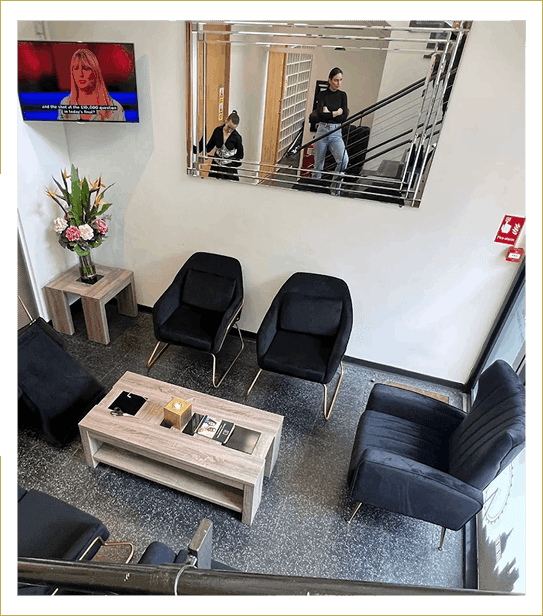
Square Mile Dental Centre is a well-established private clinic offering a wide range of general, restorative, cosmetic and emergency dental treatments. Our practice is modern and welcoming, with a relaxing environment designed to put patients at ease.
We use digital dentistry to support accuracy, comfort and efficient planning, always explaining how technology helps your treatment rather than complicating it. Our approach is built around clear communication, bespoke guidance and a genuine respect for each patient’s concerns.
Whether you live nearby or work in the City, our central London location makes it easy to access care when you need it.
Book An Emergency Toothache Appointment
If toothache is affecting your comfort or confidence, it is worth having it assessed. Early advice can make a meaningful difference.
Contact Square Mile Dental Centre to arrange an emergency dental appointment. Our team is here to guide you calmly and professionally, helping you understand what is happening and what your options are.
A Relaxing Clinic In The Heart Of London
Square Mile Dental Centre is a well-established private clinic offering a wide range of general, restorative, cosmetic and emergency dental treatments. Our practice is modern and welcoming, with a relaxing environment designed to put patients at ease.
We use digital dentistry to support accuracy, comfort and efficient planning, always explaining how technology helps your treatment rather than complicating it. Our approach is built around clear communication, bespoke guidance and a genuine respect for each patient’s concerns.
Whether you live nearby or work in the City, our central London location makes it easy to access care when you need it.
Book An Emergency Toothache Appointment
If toothache is affecting your comfort or confidence, it is worth having it assessed. Early advice can make a meaningful difference.
Contact Square Mile Dental Centre to arrange an emergency dental appointment. Our team is here to guide you calmly and professionally, helping you understand what is happening and what your options are.
Frequently Asked Questions
Can a toothache go away on its own?
Sometimes pain eases temporarily, but the underlying problem is usually still there. Without treatment, toothache often returns and can become more severe.
Is it safe to take painkillers for toothache instead of seeing a dentist?
Painkillers may reduce discomfort short term, but they do not treat infection or damage. Relying on them can delay care and allow the problem to worsen.
Why does my toothache feel worse at night?
Lying down increases blood flow to the head, which can raise pressure around an inflamed tooth nerve, making pain more noticeable at night.
Can stress or grinding cause toothache?
Yes. Teeth grinding or clenching, often linked to stress, can strain teeth and trigger pain even when there is no obvious decay.
What does it mean if toothache comes and goes?
Intermittent pain can still indicate decay, a cracked tooth or nerve irritation. Fluctuating symptoms should still be assessed to prevent progression.
Can a toothache cause headaches or ear pain?
Yes. Dental pain can radiate to the jaw, ear or head because nerves in the face are closely connected.
Will I always need a root canal for toothache?
No. Treatment depends on the cause. Some toothaches are resolved with fillings, gum treatment or temporary restorations if addressed early.
Should I see a dentist if the toothache is mild but persistent?
Yes. Ongoing low-level pain is often an early warning sign. Early assessment usually means simpler treatment and less disruption.
testimonials
Posted onTrustindex verifies that the original source of the review is Google. I visited Square Mile Dental for the first time and was attended by Luciana. She was very professional and did an excellent job, the cleaning only took one hour! I thought I might need two sessions, but it wasn’t necessary. I’m very happy with the results and will try to visit my dentist more regularly from now on.Posted onTrustindex verifies that the original source of the review is Google. We came to London from Türkiye for a holiday, and unfortunately, my girlfriend had a sudden dental issue during our trip. We were honestly very stressed and upset about it. However, we are incredibly grateful to the entire team at Square Mile Dental Centre. They took such great care of her, and thanks to them, our holiday was saved from turning into a nightmare. We truly appreciate their kindness and professionalism!Posted onTrustindex verifies that the original source of the review is Google. Dr Amit has been excellent throughout my treatment at Square Mile Dental Centre! Would highly recommend :)Posted onTrustindex verifies that the original source of the review is Google. Great staff, very nice and competent. Always feel welcome.Posted onTrustindex verifies that the original source of the review is Google. Excellent care and treatment from Monika, the hygienist. Could not be better. NigelPosted onTrustindex verifies that the original source of the review is Google. Square Mile Dental is the best dental practice i've been to in London since i've moved here. I've tried a few out but haven't found a great one until now. Everyone i've seen here has been very professional and you get 5 star service every time. They're very thorough, make you feel comfortable, and do an excellent job!Posted onTrustindex verifies that the original source of the review is Google. Came to Square Mile Dental for my Invisalign treatment and am so happy with my result! The team were nothing but professional and helpful all through my treatment. A huge thanks to Elaine, Shazna and Rosie for making my treatment seamless!!Posted onTrustindex verifies that the original source of the review is Google. Highly recommend Square Mile. The treatment and care I received from Dr Patel, Agnieszka and team has been exceptional. The continuity of care they are able to provide, having so much expertise and experience all under one roof, really sets them apart. I felt fully informed and supported at every step, and I’m really happy with the results.