

Please note that our website uses cookies. To learn more about our cookies and how we use them, please read our Privacy Policy.
Broken Veneer
Emergency Care
Prompt emergency care to protect your tooth and restore your smile, delivered with clarity, precision and reassurance.
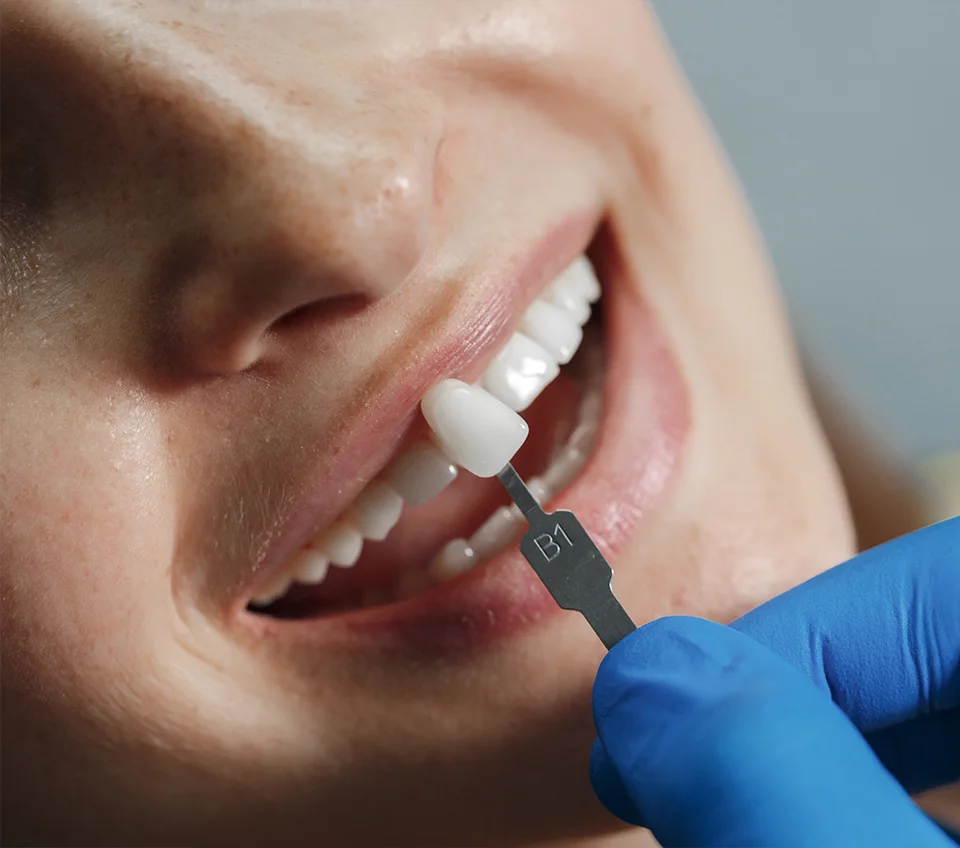
Broken Veneer? Calm, Clear Help When You Need It
A broken veneer can be unsettling. One moment your smile feels familiar and comfortable, and the next something feels off. You may notice a sharp edge, sensitivity, or a visible change that draws your attention every time you speak or smile. It is understandably worrying, especially if it happens unexpectedly.
At Square Mile Dental Centre, we see this situation often. Veneers are a popular and reliable treatment, but like any dental restoration, they can occasionally chip, crack, or come loose. When that happens, prompt care matters. Our team provides emergency appointments for broken veneers, focusing on protecting your tooth, restoring appearance, and helping you feel reassured from the moment you arrive.
If your veneer has come away completely, keep it safe and bring it with you. In some cases, this can help guide the next steps.
Should a Broken Veneer Be Seen Quickly?
A broken veneer does not always cause pain, but it should not be ignored. Once the veneer is damaged or lost, the tooth underneath may be exposed. This can lead to sensitivity, irritation of the tongue or gums, or further wear if left untreated.
Many patients ask whether it can wait. In most cases, it is best to have it checked sooner rather than later.
You may wish to book an appointment if you notice:
● Sensitivity to temperature or sweetness
● A rough or sharp edge
● Changes to how your teeth meet
● A visible difference in your smile
Early assessment allows us to protect the tooth and advise you clearly on the most suitable solution.
Should a Broken Veneer Be Seen Quickly?
A broken veneer does not always cause pain, but it should not be ignored. Once the veneer is damaged or lost, the tooth underneath may be exposed. This can lead to sensitivity, irritation of the tongue or gums, or further wear if left untreated.
Many patients ask whether it can wait. In most cases, it is best to have it checked sooner rather than later.
You may wish to book an appointment if you notice:
● Sensitivity to temperature or sweetness
● A rough or sharp edge
● Changes to how your teeth meet
● A visible difference in your smile
Early assessment allows us to protect the tooth and advise you clearly on the most suitable solution.
Why Veneers Can Chip or Come Loose
Dental veneers are designed to be strong and long-lasting, but everyday life can place pressure on them. Over time, small stresses can add up, or a single unexpected incident can cause damage.
Common reasons include:
- Biting into hard foods
- Accidental knocks or falls
- Night-time clenching or grinding
- Natural wear as veneers age
- Bonding materials weakening over time
Part of our role is to understand why the veneer failed. This helps us recommend care that supports long-term stability, not just a short-term fix.
Why Veneers Can Chip or Come Loose
Dental veneers are designed to be strong and long-lasting, but everyday life can place pressure on them. Over time, small stresses can add up, or a single unexpected incident can cause damage.
Common reasons include:
- Biting into hard foods
- Accidental knocks or falls
- Night-time clenching or grinding
- Natural wear as veneers age
- Bonding materials weakening over time
Part of our role is to understand why the veneer failed. This helps us recommend care that supports long-term stability, not just a short-term fix.

What to Expect at Your Appointment
We understand that emergency visits can feel unsettling. Our approach is unhurried and reassuring, with time taken to explain what we see and what it means for you.
At your visit, we will:
Examine the veneer and underlying tooth
Assess sensitivity and bite
Talk through suitable treatment options
Carry out same-day care where appropriate
Our aim is to provide clarity, not pressure. You will always have the opportunity to ask questions and consider your options.
What to Expect at Your Appointment
We understand that emergency visits can feel unsettling. Our approach is unhurried and reassuring, with time taken to explain what we see and what it means for you.
At your visit, we will:
Examine the veneer and underlying tooth
Assess sensitivity and bite
Talk through suitable treatment options
Carry out same-day care where appropriate
Our aim is to provide clarity, not pressure. You will always have the opportunity to ask questions and consider your options.
Treatment Options for a Broken Veneer
Every situation is different. The right approach depends on the type of veneer, the extent of the damage, and the condition of the tooth beneath. We will always explain your options clearly, so you can make an informed decision.
01
Repair Using Composite Bonding
If the damage is minor, we may be able to repair the veneer using composite bonding. This approach can be suitable when:
● The veneer is chipped rather than fractured
● The structure remains largely intact
● The veneer is relatively recent
Composite bonding can often be completed in one visit and is carefully shaped and shaded to blend naturally with your smile.
03
Replacing the Veneer
In some cases, repair or reattachment is not the most reliable choice. If the veneer is heavily damaged, worn, or no longer fits as it should, a new veneer may be advised.
When replacement is recommended:
● Digital scans are used to capture accurate detail
● The veneer is crafted to match your existing smile
● Shape, shade and proportions are carefully considered
Digital planning supports precision and predictability, helping us achieve a natural-looking result that feels comfortable and secure.

02
Reattaching a Veneer
If a veneer has come away cleanly and remains in good condition, reattachment may be possible. We assess the fit and the tooth surface carefully before recommending this option, as stability and longevity are key considerations.
01
Repair Using Composite Bonding
If the damage is minor, we may be able to repair the veneer using composite bonding. This approach can be suitable when:
● The veneer is chipped rather than fractured
● The structure remains largely intact
● The veneer is relatively recent
Composite bonding can often be completed in one visit and is carefully shaped and shaded to blend naturally with your smile.
02
Reattaching a Veneer
If a veneer has come away cleanly and remains in good condition, reattachment may be possible. We assess the fit and the tooth surface carefully before recommending this option, as stability and longevity are key considerations.
03
Replacing the Veneer
In some cases, repair or reattachment is not the most reliable choice. If the veneer is heavily damaged, worn, or no longer fits as it should, a new veneer may be advised.
When replacement is recommended:
● Digital scans are used to capture accurate detail
● The veneer is crafted to match your existing smile
● Shape, shade and proportions are carefully considered
Digital planning supports precision and predictability, helping us achieve a natural-looking result that feels comfortable and secure.
What to Do If Your Veneer Breaks
If your veneer chips or comes off, there are a few simple steps you can take before your visit:
● Avoid chewing on that side
● Keep the area clean with gentle brushing
● Store the veneer safely if you still have it
● Contact our team to arrange an appointment
Even if you are not in discomfort, it is sensible to have the tooth checked.
Caring for Veneers Long Term
Once your veneer has been repaired or replaced, good daily habits can help protect your smile.
We may advise:
● Avoiding very hard foods
● Wearing a night guard if you clench or grind
● Maintaining thorough oral hygiene
● Attending regular reviews
Ongoing care at home supports long-term results and helps keep your veneers looking their best.
What to Do If Your Veneer Breaks
If your veneer chips or comes off, there are a few simple steps you can take before your visit:
● Avoid chewing on that side
● Keep the area clean with gentle brushing
● Store the veneer safely if you still have it
● Contact our team to arrange an appointment
Even if you are not in discomfort, it is sensible to have the tooth checked.
Caring for Veneers Long Term
Once your veneer has been repaired or replaced, good daily habits can help protect your smile.
We may advise:
● Avoiding very hard foods
● Wearing a night guard if you clench or grind
● Maintaining thorough oral hygiene
● Attending regular reviews
Ongoing care at home supports long-term results and helps keep your veneers looking their best.




Temporary Veneers While Your New One Is Made
If a new veneer is required, we will not leave the tooth exposed. A temporary veneer is fitted to protect the tooth and maintain appearance while your permanent veneer is being created.
This helps reduce sensitivity and allows you to go about your day feeling more comfortable and confident.
Temporary Veneers While Your New One Is Made
If a new veneer is required, we will not leave the tooth exposed. A temporary veneer is fitted to protect the tooth and maintain appearance while your permanent veneer is being created.
This helps reduce sensitivity and allows you to go about your day feeling more comfortable and confident.
Emergency Veneer Care in Central London
If you have a broken, chipped, or loose veneer, our team is here to help. We provide reliable emergency care in a relaxing central London clinic, conveniently located near Liverpool Street, Aldgate and Bank.
If possible, bring the veneer with you. From there, we will guide you through the next steps with clear advice and thoughtful care.
Emergency Veneer Care in Central London
If you have a broken, chipped, or loose veneer, our team is here to help. We provide reliable emergency care in a relaxing central London clinic, conveniently located near Liverpool Street, Aldgate and Bank.
If possible, bring the veneer with you. From there, we will guide you through the next steps with clear advice and thoughtful care.
Frequently Asked Questions
Can I glue a broken veneer back on myself?
No. Household or over-the-counter glues can damage the tooth and affect future reattachment or replacement.
Is it an emergency if my veneer isn’t painful?
Yes. Even without pain, the exposed tooth can be vulnerable to damage, sensitivity, or decay.
Will my tooth underneath be damaged if the veneer is off?
It can be. Veneers often cover enamel that has been reduced, making the tooth more sensitive and less protected.
How long can I safely go without a veneer?
Short periods may be manageable, but delaying assessment increases the risk of sensitivity, wear, or bite problems.
Can a broken veneer affect my other teeth?
Yes. Changes in bite or sharp edges can cause uneven pressure, irritation, or damage to neighbouring teeth.
Will I need injections to fix a broken veneer?
Not always. Many veneer repairs or reattachments can be carried out with minimal or no local anaesthetic.
Can I eat normally while waiting for my appointment?
You should avoid hard, sticky, or chewy foods and try not to use the affected side.
Will a repaired veneer look different from the others?
When done properly, repairs or replacements are designed to blend naturally with your existing veneers and smile.
testimonials
Posted onTrustindex verifies that the original source of the review is Google. I visited Square Mile Dental for the first time and was attended by Luciana. She was very professional and did an excellent job, the cleaning only took one hour! I thought I might need two sessions, but it wasn’t necessary. I’m very happy with the results and will try to visit my dentist more regularly from now on.Posted onTrustindex verifies that the original source of the review is Google. We came to London from Türkiye for a holiday, and unfortunately, my girlfriend had a sudden dental issue during our trip. We were honestly very stressed and upset about it. However, we are incredibly grateful to the entire team at Square Mile Dental Centre. They took such great care of her, and thanks to them, our holiday was saved from turning into a nightmare. We truly appreciate their kindness and professionalism!Posted onTrustindex verifies that the original source of the review is Google. Dr Amit has been excellent throughout my treatment at Square Mile Dental Centre! Would highly recommend :)Posted onTrustindex verifies that the original source of the review is Google. Great staff, very nice and competent. Always feel welcome.Posted onTrustindex verifies that the original source of the review is Google. Excellent care and treatment from Monika, the hygienist. Could not be better. NigelPosted onTrustindex verifies that the original source of the review is Google. Square Mile Dental is the best dental practice i've been to in London since i've moved here. I've tried a few out but haven't found a great one until now. Everyone i've seen here has been very professional and you get 5 star service every time. They're very thorough, make you feel comfortable, and do an excellent job!Posted onTrustindex verifies that the original source of the review is Google. Came to Square Mile Dental for my Invisalign treatment and am so happy with my result! The team were nothing but professional and helpful all through my treatment. A huge thanks to Elaine, Shazna and Rosie for making my treatment seamless!!Posted onTrustindex verifies that the original source of the review is Google. Highly recommend Square Mile. The treatment and care I received from Dr Patel, Agnieszka and team has been exceptional. The continuity of care they are able to provide, having so much expertise and experience all under one roof, really sets them apart. I felt fully informed and supported at every step, and I’m really happy with the results.